
Table Of Contents
Industrial testing plays a critical role in ensuring the safety, reliability, and performance of machinery, equipment, and manufactured components. Whether in automotive, aerospace, power generation, oil and gas, manufacturing, or construction, engineers rely on various testing methods to identify defects, improve product quality, and prevent costly equipment failures.
With industries increasingly adopting predictive maintenance and Industry 4.0 technologies, testing has evolved from simple inspections to advanced data-driven diagnostics. Choosing the right testing method allows engineers to detect problems early, reduce downtime, and improve operational efficiency.
In this guide, we’ll explore the top industrial testing methods every engineer should know, their applications, benefits, and how they contribute to reliable industrial operations.
Industrial equipment operates under demanding conditions, including high temperatures, heavy loads, vibration, and continuous operation. Even minor defects can lead to equipment breakdowns, production losses, or safety hazards.
Industrial testing helps organizations:
Regular testing also supports predictive maintenance by identifying developing issues before they become major problems.
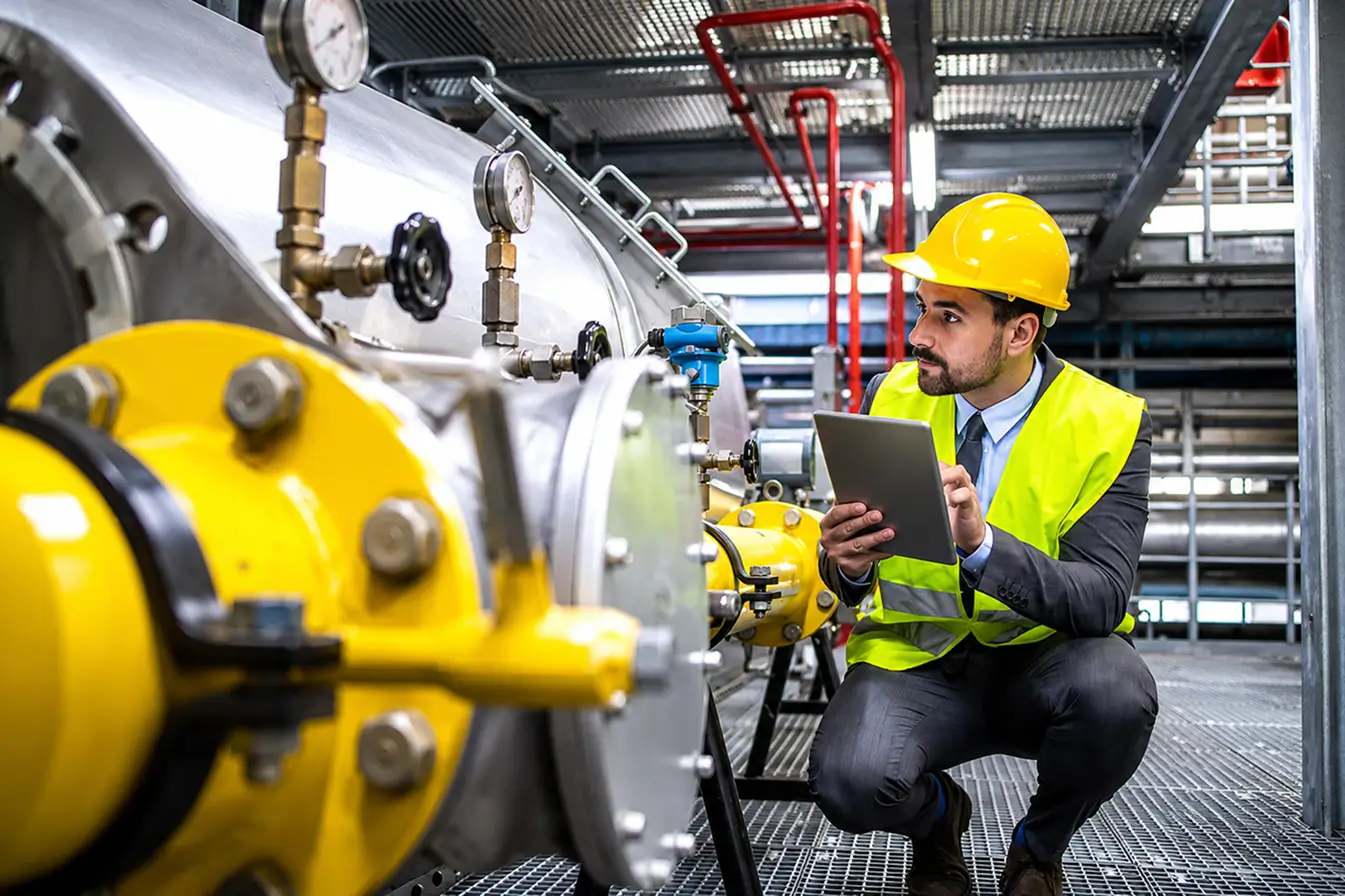
Non-Destructive Testing (NDT) is one of the most widely used industrial testing methods because it allows engineers to inspect materials and components without causing damage.
NDT helps detect internal and surface defects while keeping the equipment operational.
Vibration analysis is a predictive maintenance technique used to monitor rotating machinery.
Machines naturally produce vibration during operation. Changes in vibration patterns often indicate developing mechanical problems before failure occurs.
Thermal imaging, also known as infrared thermography, identifies temperature variations in equipment.
Abnormal heat patterns often indicate electrical faults, excessive friction, insulation failures, or overloaded components.
Thermal cameras allow maintenance teams to inspect energized equipment without interrupting production.
Ultrasonic testing uses high-frequency sound waves to detect internal flaws in materials.
The sound waves travel through the material, and reflections reveal cracks, voids, corrosion, or thickness loss.
Ultrasonic testing is widely used in industries where structural integrity is critical.
Pressure testing verifies whether pipelines, tanks, boilers, valves, and pressure vessels can safely operate under specified pressure conditions.
Different pressure testing methods include:
Hardness testing measures a material’s resistance to deformation, scratching, or indentation.
Popular hardness testing methods include:
Electrical testing evaluates the condition and performance of electrical equipment.
Engineers commonly perform:
Oil analysis helps determine the health of both lubricants and machinery.
By analyzing contaminants and wear particles, maintenance teams can identify mechanical issues before they cause equipment failure.
Acoustic emission testing detects high-frequency sound waves produced by cracks or material deformation.
Unlike conventional inspections, this method can identify active defects while equipment remains operational.
Condition monitoring combines multiple testing techniques to continuously monitor machine health.
Modern systems integrate:
Engineers receive real-time insights into equipment performance, allowing maintenance to be scheduled before failures occur.
Selecting the right testing method depends on several factors:
In many industrial environments, combining multiple testing methods provides the most accurate assessment of equipment health. For example, vibration analysis can identify bearing wear, while thermal imaging detects overheating and oil analysis confirms lubrication issues. Together, these techniques create a comprehensive predictive maintenance strategy.
To maximize the effectiveness of industrial testing, organizations should:
Following these practices helps reduce equipment failures and improve long-term operational performance.
Industrial testing is essential for maintaining safe, reliable, and efficient operations across every industry. From non-destructive testing and vibration analysis to thermal imaging, oil analysis, and condition monitoring, each testing method provides valuable insights into equipment health and performance. By selecting the appropriate testing techniques and implementing a proactive maintenance strategy, organizations can minimize downtime, reduce repair costs, and extend the lifespan of critical assets.
At Proact IMS, we specialize in advanced industrial sensing, condition monitoring, and testing solutions that help businesses improve machine reliability and operational efficiency. Our comprehensive range of sensors, vibration monitoring systems, and industrial instrumentation enables engineers to detect faults early, optimize maintenance strategies, and achieve greater productivity. Partner with Proact IMS to build a smarter, more reliable industrial operation.