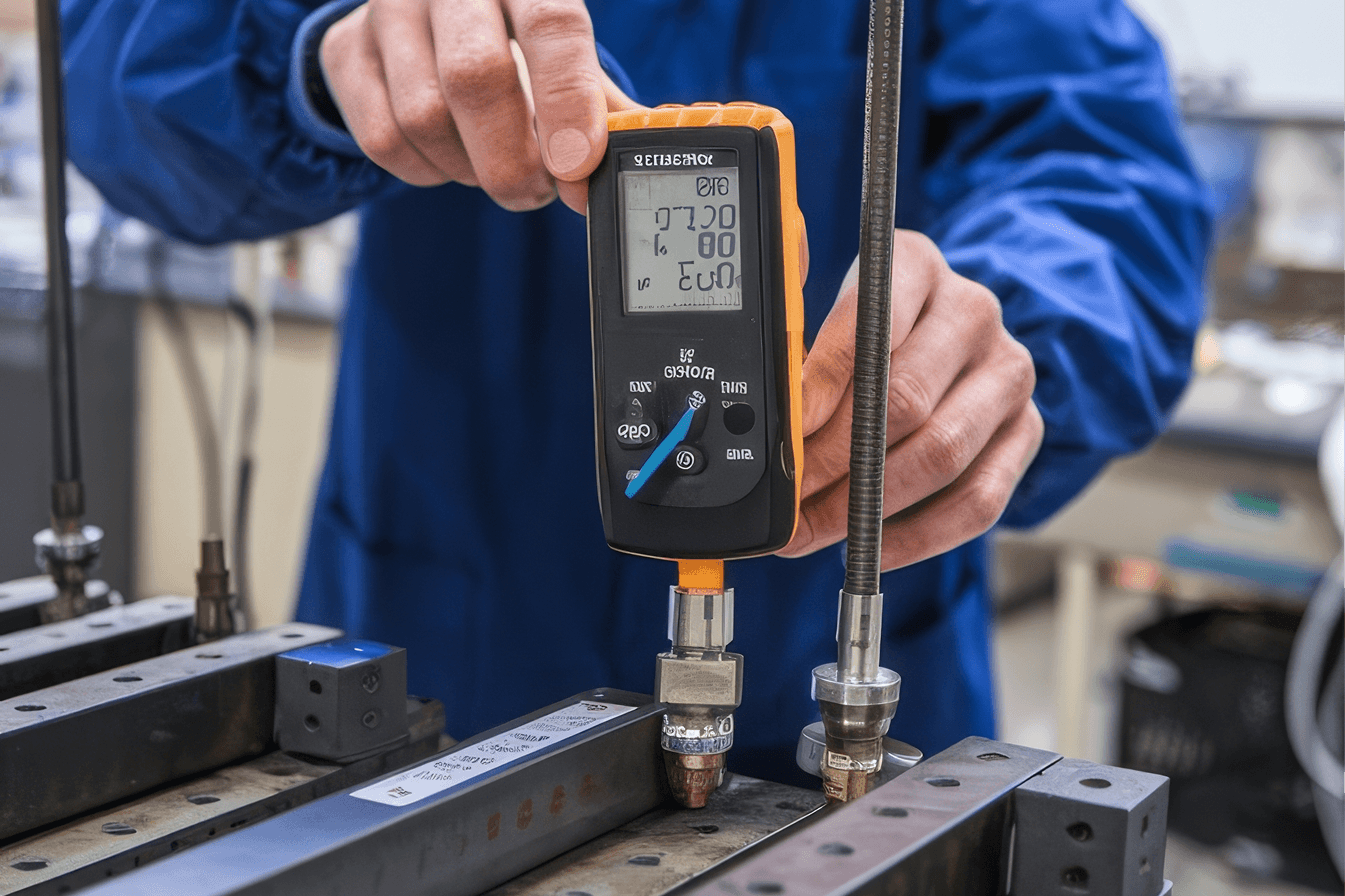
What is NABL Calibration?
NABL calibration refers to the process of testing and adjusting measuring instruments using laboratories accredited by NABL (National Accreditation Board for Testing and Calibration Laboratories). The goal is to ensure that instruments provide accurate and reliable results that are traceable to national or international standards.
In simple terms, it validates whether your equipment is measuring correctly. From temperature sensors to pressure gauges and weighing scales, calibration plays a critical role in maintaining consistency and precision.
What is NABL?
NABL is an autonomous body under the Quality Council of India responsible for accrediting testing and calibration laboratories. It ensures that labs meet global standards such as ISO/IEC 17025.
When a lab is NABL-accredited, it means it has been evaluated for technical competence, equipment accuracy, and quality systems. This accreditation builds trust and ensures that calibration results are globally accepted.
Why is NABL Calibration Important?
Accuracy is the foundation of any industrial or scientific process. Even minor measurement errors can lead to product defects, compliance failures, or financial losses.
NABL calibration ensures:
- Reliable and consistent measurement results
- Compliance with regulatory and industry standards
- Reduced risk of errors in production or testing
- Enhanced credibility in audits and certifications
NABL Calibration Process
The NABL calibration process follows a standardized and documented approach:
1. Instrument Inspection
The equipment is checked for physical damage, functionality, and condition before calibration begins.
2. Testing Against Standards
The instrument is tested using highly accurate reference standards that are traceable to national or international benchmarks.
3. Adjustment (if required)
If deviations are found, the instrument is adjusted to bring it within acceptable limits.
4. Documentation & Certification
A calibration certificate is issued, detailing results, uncertainty levels, and traceability. This certificate serves as proof during audits.
5. Labeling & Validity
The instrument is labeled with calibration status and validity period, ensuring proper tracking.
Benefits of NABL Calibration
Choosing NABL-accredited calibration offers several advantages:
1. Accuracy and Precision
Ensures your instruments deliver correct readings, reducing errors in operations.
2. Regulatory Compliance
Helps meet ISO standards, government regulations, and industry-specific requirements.
3. Global Acceptance
NABL calibration certificates are recognized internationally, making them valuable for export-oriented businesses.
4. Improved Product Quality
Accurate measurements lead to better consistency and higher-quality output.
5. Cost Savings
Prevents costly rework, product recalls, and operational inefficiencies caused by inaccurate data.
6. Enhanced Credibility
Builds trust among clients, auditors, and stakeholders by demonstrating commitment to quality.
Industries That Require NABL Calibration
NABL calibration is widely used across multiple industries where precision is critical:
- Manufacturing – Ensures product dimensions and tolerances are accurate
- Pharmaceuticals – Maintains compliance with strict quality standards
- Healthcare – Ensures accurate diagnostic equipment readings
- Automotive & Aerospace – Critical for safety and performance
- Food & Beverage – Maintains hygiene and quality checks
- Research Laboratories – Ensures reliable experimental results
Conclusion
NABL calibration is more than just a technical process—it is a cornerstone of quality, compliance, and operational excellence. By ensuring accurate measurements and globally recognized certification, it helps businesses maintain high standards and avoid costly errors.
Partnering with a trusted service provider like Proact IMS ensures that your instruments are calibrated with precision, compliance, and reliability, helping your business achieve long-term success and credibility.