
Proact IMS

Piezoelectric vs MEMS Accelerometers: Which One Is Right for Your Application?

Introduction

Accelerometers are among the most widely used sensors in industrial testing, structural monitoring, automotive engineering, aerospace, and consumer electronics. They measure acceleration, vibration, and movement, providing valuable data that helps engineers improve product performance, monitor equipment health, and ensure operational safety.

With advancements in sensing technology, two types of accelerometers have become particularly popular: Piezoelectric Accelerometers and MEMS (Micro-Electro-Mechanical Systems) Accelerometers. While both measure acceleration, they differ significantly in terms of operating principles, performance, accuracy, and applications.

Understanding these differences is essential for selecting the right sensor for your specific industrial or engineering needs.

What Is an Accelerometer?

An accelerometer is a sensor that detects and measures changes in velocity or vibration. It converts mechanical motion into electrical signals that can be analyzed using data acquisition systems or monitoring software.

Accelerometers are commonly used for:

  • Machine condition monitoring
  • Vibration analysis
  • Structural health monitoring
  • Automotive testing
  • Aerospace applications
  • Industrial automation
  • Consumer electronics
  • Earthquake and seismic monitoring

Selecting the appropriate accelerometer depends on factors such as frequency range, sensitivity, environmental conditions, and measurement objectives.

What Is a Piezoelectric Accelerometer?

A piezoelectric accelerometer operates using the piezoelectric effect, where certain crystalline materials generate an electrical charge when subjected to mechanical stress.

As the accelerometer experiences vibration or acceleration, the crystal produces an electrical signal proportional to the applied force.

Key Characteristics

  • Excellent high-frequency response
  • High sensitivity
  • Wide dynamic range
  • Exceptional measurement accuracy
  • Suitable for dynamic vibration measurements
  • Performs well in harsh industrial environments

Since piezoelectric accelerometers cannot measure static acceleration, they are primarily used for dynamic applications involving vibration and shock analysis.
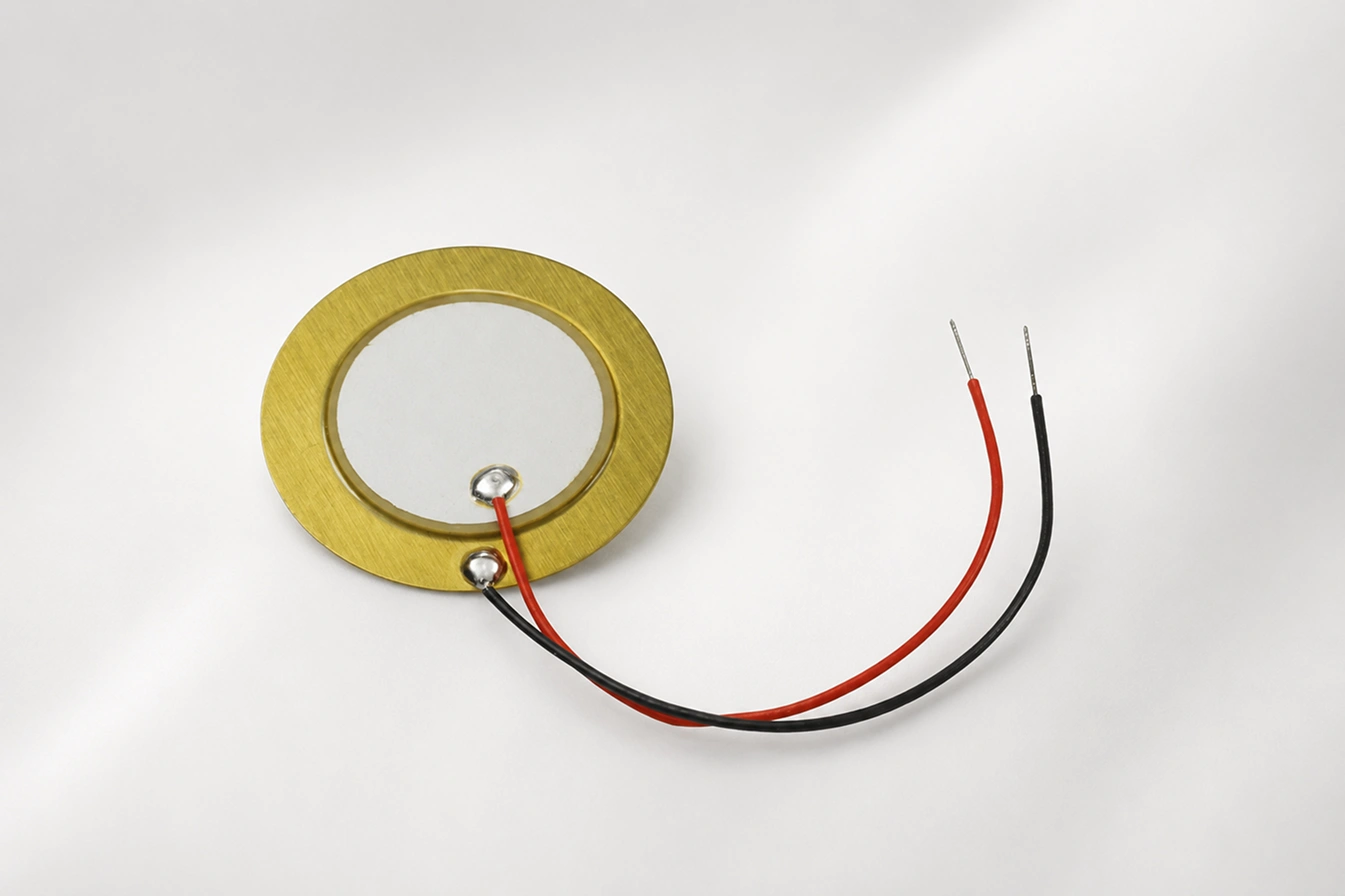
Piezoelectric vs MEMS Accelerometers

What Is a MEMS Accelerometer?

MEMS accelerometers use microscopic mechanical structures fabricated on semiconductor chips. Tiny movable components detect changes in acceleration and convert them into electrical signals through capacitive sensing.

These sensors are compact, lightweight, and energy efficient, making them ideal for embedded systems and portable devices.

Key Characteristics

  • Measures both static and dynamic acceleration
  • Small and lightweight
  • Low power consumption
  • Cost-effective
  • Easy integration into electronic systems
  • Suitable for continuous monitoring

MEMS technology has rapidly evolved, enabling high-performance sensors for both industrial and consumer applications.

Advantages of Piezoelectric Accelerometers

Superior Vibration Analysis

Piezoelectric sensors are highly accurate for detecting high-frequency vibrations generated by industrial machinery.

High Temperature Performance

These accelerometers perform reliably in demanding environments with elevated temperatures.

Wide Frequency Response

They capture detailed vibration signatures, making them ideal for precision diagnostics.

High Measurement Accuracy

Industries that require precise vibration analysis rely on piezoelectric technology for dependable results.

Excellent Durability

Designed for rugged industrial conditions, these sensors withstand mechanical stress, moisture, and harsh operating environments.

Advantages of MEMS Accelerometers

Compact Design

MEMS sensors are small enough to fit into compact industrial devices and embedded systems.

Measures Static and Dynamic Motion

Unlike piezoelectric sensors, MEMS accelerometers can detect constant acceleration, such as gravity, making them suitable for tilt and orientation measurements.

Low Power Consumption

Their energy-efficient design makes them ideal for battery-powered and wireless monitoring systems.

Cost-Effective

MEMS accelerometers are generally more affordable, enabling large-scale deployments in industrial and consumer applications.

Easy Integration

They integrate seamlessly with IoT platforms, wireless networks, and data acquisition systems.

Industrial Applications

Piezoelectric Accelerometers

These sensors are widely used in applications requiring high-precision vibration analysis.

Typical applications include:

  • Machine condition monitoring
  • Rotating equipment diagnostics
  • Turbine monitoring
  • Aerospace structural testing
  • Automotive durability testing
  • Engine vibration analysis
  • Shock testing
  • Laboratory research

MEMS Accelerometers

MEMS technology is commonly used in applications requiring compact size and continuous monitoring.

Typical applications include:

  • Structural health monitoring
  • Smart buildings
  • Industrial IoT (IIoT)
  • Robotics
  • Autonomous vehicles
  • Consumer electronics
  • Wearable devices
  • Asset tracking
  • Drone navigation

How to Choose the Right Accelerometer

Choosing between a piezoelectric and a MEMS accelerometer depends on your application’s specific requirements.

Choose a Piezoelectric Accelerometer If You Need:

  • High-frequency vibration measurement
  • Precision machinery diagnostics
  • Dynamic force analysis
  • Laboratory-grade accuracy
  • Harsh industrial environment performance

Choose a MEMS Accelerometer If You Need:

  • Static and dynamic acceleration measurement
  • Compact sensor design
  • Wireless monitoring
  • Battery-powered systems
  • Smart IoT applications
  • Cost-effective deployment

Evaluating factors such as measurement range, operating environment, installation constraints, and data acquisition requirements will help ensure the best sensor selection.

Future Trends in Accelerometer Technology

Accelerometer technology continues to evolve alongside Industry 4.0 and smart manufacturing initiatives.

Emerging trends include:

AI-Powered Vibration Monitoring

Artificial intelligence analyzes accelerometer data to identify patterns, predict failures, and optimize maintenance schedules.

Wireless Sensor Networks

Wireless accelerometers simplify installation while enabling remote monitoring of critical assets.

Industrial IoT Integration

Modern accelerometers connect directly with cloud platforms for real-time data collection and analytics.

Predictive Maintenance

Continuous monitoring allows organizations to detect equipment issues before they lead to unplanned downtime.

Digital Twin Applications

Accelerometer data is increasingly used to create digital twins that simulate equipment performance and support predictive engineering.

Conclusion

Both Piezoelectric and MEMS accelerometers play a vital role in modern industrial measurement and monitoring. Piezoelectric accelerometers excel in high-frequency vibration analysis and demanding industrial environments, making them ideal for precision testing and machine diagnostics. MEMS accelerometers, on the other hand, offer compact size, low power consumption, and the ability to measure both static and dynamic acceleration, making them well suited for IoT, structural health monitoring, and embedded applications.

The right choice depends on your application’s performance requirements, environmental conditions, and measurement objectives. By selecting the appropriate accelerometer technology, organizations can improve equipment reliability, optimize maintenance strategies, and enhance operational efficiency.

Proact IMS offers a comprehensive range of high-quality accelerometers, data acquisition systems, and industrial measurement solutions designed to meet the needs of industries such as manufacturing, aerospace, automotive, civil engineering, and research. With a strong focus on precision, innovation, and technical expertise, Proact IMS helps businesses achieve accurate, reliable, and data-driven performance monitoring for today’s advanced engineering applications.