
Table Of Contents
Strain measurement is a fundamental process in engineering and structural monitoring used to evaluate how materials deform under applied stress. It helps engineers understand structural behaviour, detect potential failures, and ensure safety and reliability in infrastructure and industrial systems.
Strain measurement techniques are generally categorised into static strain measurement and dynamic strain measurement, depending on how the load or force changes over time.
Understanding the difference between these two methods is essential for selecting the correct monitoring approach for structures such as bridges, buildings, aircraft components, machinery, and industrial equipment.
Static strain measurement refers to the measurement of slow-changing or constant strain in a structure or material over time.
In this method, the strain occurs due to steady or gradually changing loads, such as weight, pressure, or temperature changes.
These measurements typically focus on long-term deformation behaviour rather than rapid variations.
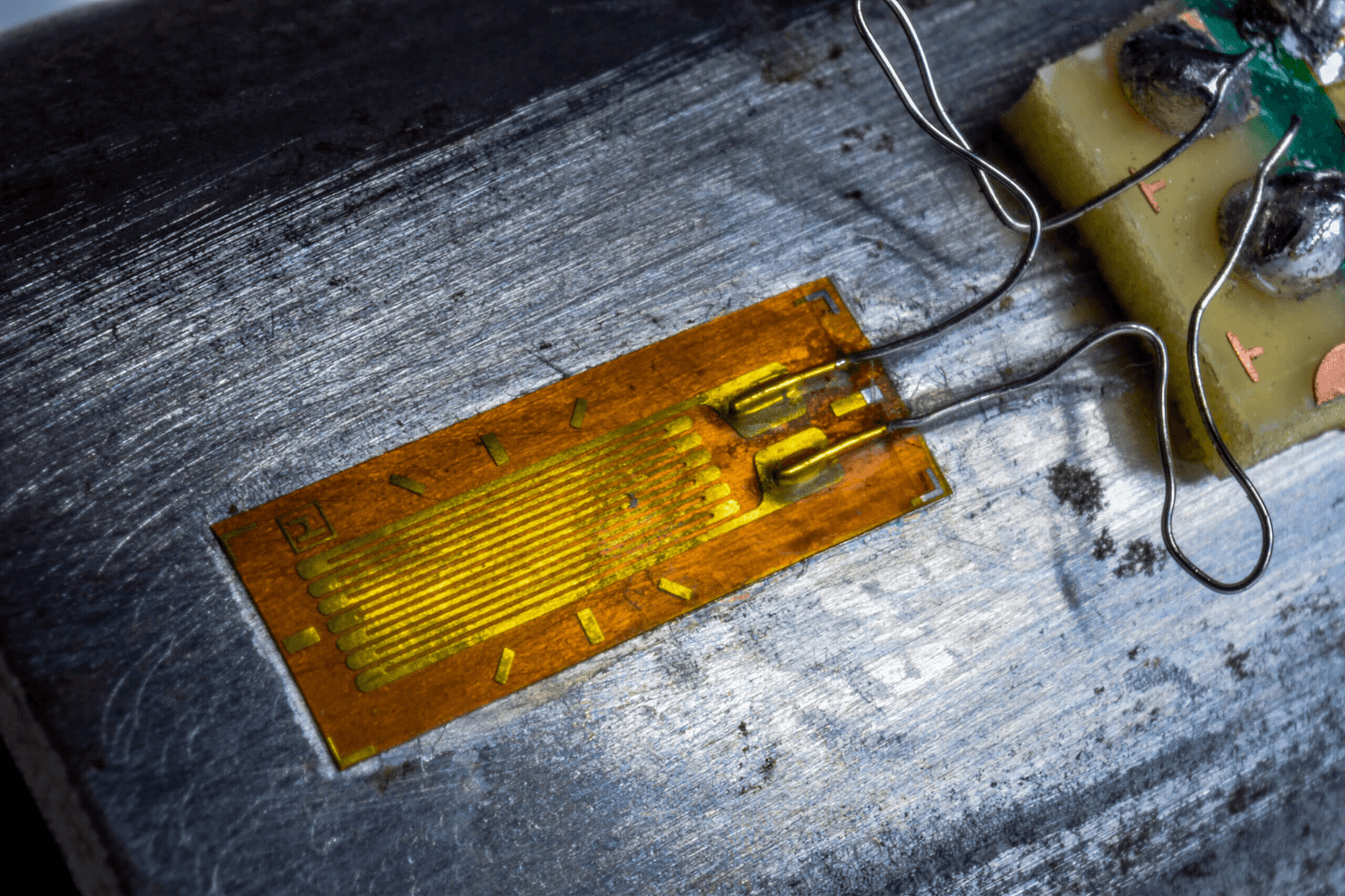
Dynamic strain measurement is used to measure rapidly changing strain signals caused by vibrations, impacts, or fluctuating loads.
Unlike static measurement, dynamic measurement captures high-frequency strain variations that occur in a short period.
This method requires specialised sensors and high-speed data acquisition systems to capture fast signal changes accurately.
Common sensors include:
Dynamic measurement often uses:
Static strain measurement is widely used in industries where long-term structural performance monitoring is important.
Common applications include:
Dynamic strain measurement is used when rapid load variations or vibrations need to be analysed.
Typical applications include:
Selecting the appropriate strain measurement method depends on several factors.
Key considerations include
Both static and dynamic strain measurement techniques play an essential role in engineering analysis and structural monitoring. Static measurements help engineers observe long-term structural deformation, while dynamic measurements capture rapid changes caused by vibrations, impacts, and fluctuating loads.
By selecting the appropriate method based on the application, engineers can ensure accurate monitoring, improved safety, and better performance analysis of structures and mechanical systems.
Advanced monitoring solutions offered by Proact IMS integrate both static and dynamic strain measurement technologies to deliver reliable structural insights for modern infrastructure and industrial environments.