
What is Strain Gauge Data Acquisition (DAQ) system?
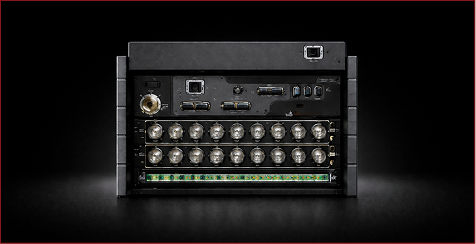
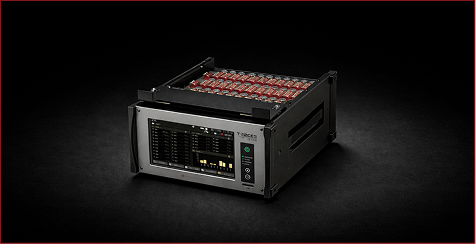
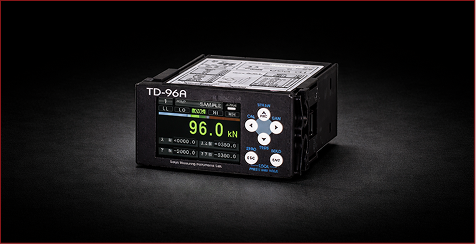
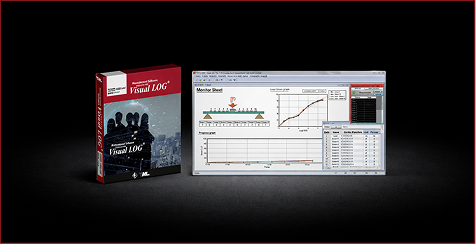
A Strain Gauge Data Acquisition (DAQ) system is an electronic setup that measures, digitizes, and analyses tiny changes in electrical resistance from strain gauges to determine physical strain, load, torque, and stress. It converts analog signals (microstrain) into digital data for real-time monitoring in structural health testing, product development, and safety analysis.
If you want to know more about this, Read our blog
-
Features of Modern DAQ
-
High Precision: 24-bit resolution to measure extremely small resistance changes.
-
Flexibility: Supports various bridge configurations (quarter, half, full) and sensor types.
-
Connectivity & Sampling: USB, Ethernet, or wireless connection for data transfer; high-speed sampling for dynamic tests.
-
Ruggedization: Designed for harsh environments, such as automotive, aerospace, and civil engineering testing.
-
-
Advanced Strain Gauge Data Acquisition (DAQ) systems
A Data Acquisition System is like a silent translator between the physical world and digital intelligence. It captures what machines feel, what structures endure, and what environments conceal, then transforms it all into usable data. Here are the key advantages:
1. High Accuracy and Precision
Modern DAQ systems provide high-resolution measurements, ensuring even the smallest signal variations are captured with reliability and consistency.
2. Real-Time Monitoring
They enable continuous, real-time data tracking, allowing engineers to observe performance instantly and respond quickly to anomalies.
3. Multi-Channel Capability
DAQ systems can monitor multiple sensors simultaneously, making them ideal for complex systems and large-scale testing environments.
4. Improved Decision Making
Accurate digital data supports better analysis, leading to informed engineering decisions, optimized designs, and enhanced safety.
5. Automation and Efficiency
Automated data logging reduces manual errors, saves time, and increases operational efficiency during testing and monitoring processes.
6. Flexibility and Scalability
They support various sensor types and can be scaled from small laboratory setups to large industrial applications.
-
Features of Advanced Strain Gauge DAQ Systems
-
High Channel Count & Density: Capable of monitoring hundreds or thousands of channels simultaneously for complex structures.
-
High-Speed & High-Resolution Sampling: Delivers high sample rates (kS/s per channel) and 24-bit resolution to capture minute strain changes and dynamic events.
-
Integrated Signal Conditioning: Built-in, software-selectable conditioning for quarter, half, and full-bridge strain gauges, providing bridge completion, balancing, and excitation.
-
Ruggedized & Distributed Form Factors: IP67-rated, waterproof, and dustproof units designed for extreme temperatures, vibration, and shock, often placed directly near sensors via EtherCAT to reduce noise.
-
Smart & Intelligent Capabilities: Features like TEDS (Transducer Electronic Data Sheet) for automatic sensor identification, on-site calibration, and AI/machine learning integration for predictive maintenance.
-
Advanced Connectivity: Ethernet, WiFi, or cloud-based connectivity allowing remote monitoring of tests.
-
-
Applications of Data Acquisition Systems
A Data Acquisition System acts like a digital nerve center, sensing physical signals and converting them into meaningful insights. Across industries, it plays a vital role in monitoring, testing, and optimizing performance. Here are the key applications:
1. Aerospace Testing
Used for structural testing of aircraft components, vibration analysis, fatigue testing, and flight data monitoring to ensure safety and reliability.
2. Automotive Engineering
Supports crash testing, engine performance monitoring, durability testing, and vehicle prototyping by capturing real-time data from multiple sensors.
3. Civil and Structural Engineering
Monitors bridges, buildings, dams, and tunnels for stress, strain, load, and environmental impact to ensure long-term structural health.
4. Manufacturing and Industrial Automation
Tracks machine performance, temperature, pressure, and vibration to improve efficiency, quality control, and predictive maintenance.