


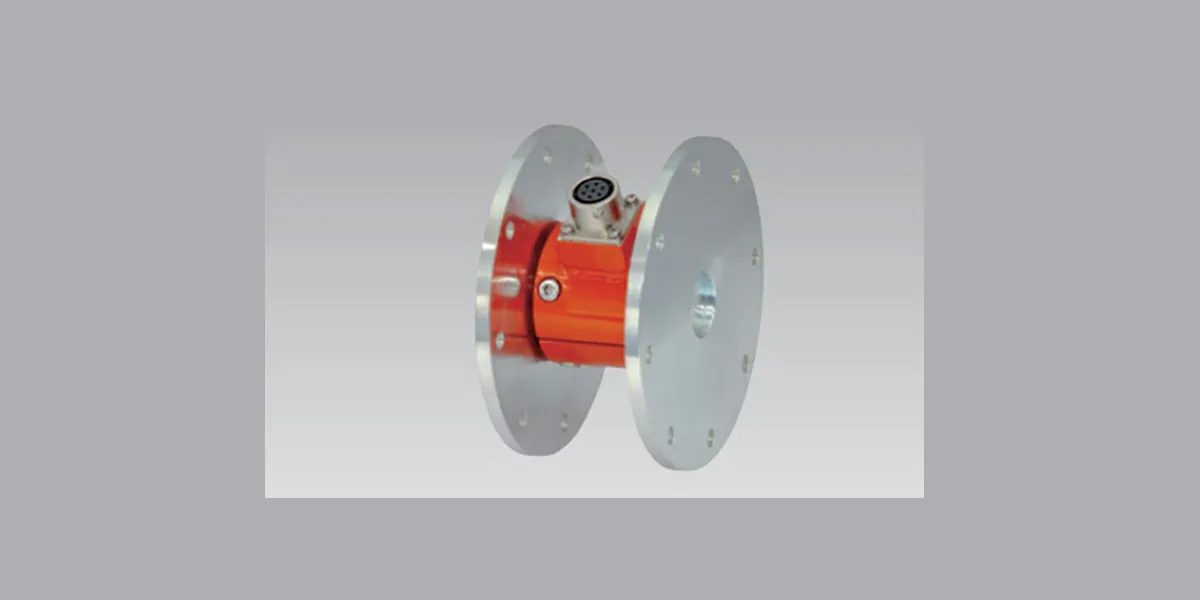
Flange Mounting-type Torque Transducer
A flange-mounting-type torque transducer is a compact, robust sensor with mounting flanges on both ends, designed to be inserted between two non-rotating or rotating components (like shafts) to measure static or dynamic twisting force (torque). It uses strain gauges to detect deformation from torque and provides an electrical output, ideal for precise measurements in machinery, assembly testing, and power tool calibration due to its easy, stable integration and resistance to side loads, featuring designs for both reaction (static) and rotating applications.
Mounting features flanges with bolt holes for secure, direct mounting onto flat surfaces or components, often with centering pilots for alignment whereas Compact design makes it suitable for limited space, and it resists overhung loads well.
They can be reaction (static/non-rotating) or rotary (dynamic/rotating) and typically use strain gauges bonded to a flexure, which deforms under torque, creating an electrical signal.
TML sensor provides analog (voltage, current) or digital signals for data acquisition and construction is often made from tool steel or stainless steel, with high IP ratings for harsh industrial environments.
LTB-NA Torque Transducer 10N・m to 1kN・m
The LTB-NA Torque Transducer is a flange-mounted transducer that is installed between non-rotating measuring items in order to detect torque in the items.
- Protection ratings : IP 30 equivalen
-
Features
- Measurable without the effect of bending
- Easy installation with flanges


